Search my archive

Search by article name, publication, or tag in the menus below

When the real world becomes the trial - Nature Medicine

Thank you for visiting nature.com. You are using a browser version with limited support for CSS. To obtain
the best experience, we recommend you use a more up to date browser (or turn off compatibility mode in
Internet Explorer). In the meantime, to ensure continued support, we are displaying the site without styles
and JavaScript.

Thank you for visiting nature.com. You are using a browser version with limited support for CSS. To obtain
the best e...

Scientists just created the most lifelike cell ever made in a lab — here's what it could accomplish

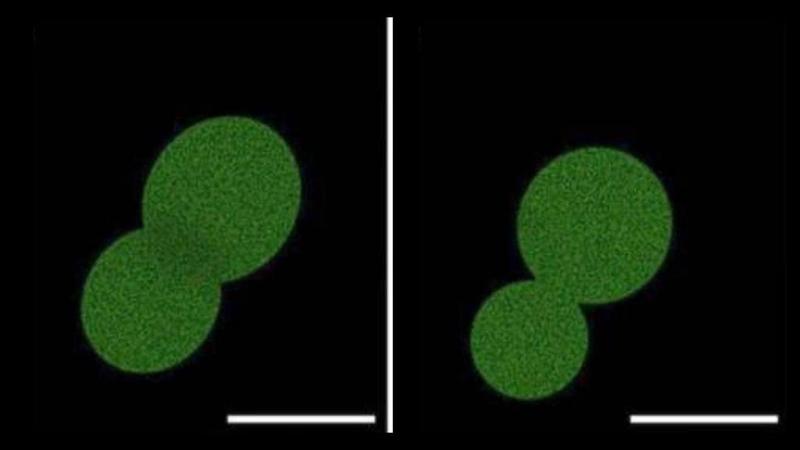
Scientists say they have built a "synthetic cell" that can eat, grow and divide in a way that's remarkably similar to living cells.The research, released to the preprint database bioRxiv July 2, has not been peer-reviewed yet. It introduces SpudCell, a new type of artificial cell, and marks a striking step toward creating living cells from scratch. But for study co-author Kate Adamala, a synthetic biologist at the University of Minnesota, that's far from the most interesting part of the work."I...

Rise in cancer in younger adults may be explained by faster 'biological aging,' early study hints

Younger generations may be aging faster than their predecessors, and this may be linked to a rise in early-onset cancers, a new study suggests.There have been recent increases in the rates of some cancers among adults under 50, including breast, colorectal, kidney and uterine cancers. One 2023 paper suggests that these early-onset cancer diagnoses rose by 25% globally between 1990 and 2019, and scientists are still investigating why."The trend of increased cancers at younger ages is very real, a...

Red light masks will make you look younger... with two caveats... | BBC Science Focus Magazine

There's something a little creepy about a red-light therapy mask. The featureless frame washed in a red glow resembles something from a horror film. But red-light masks are more than just another internet fad.
One market analysis estimates red-light therapy has grown into a billion-dollar industry and the treatment itself is rooted in decades of research.
“The basic science is absolutely there. This isn’t something fake,” says Zakia Rahman, a clinical professor of dermatology at Stanford School...

Common asthma drug helps fight hard-to-treat cancers, including aggressive breast cancers, early study finds

A common asthma drug could be repurposed to help tackle hard‑to‑treat cancers, such as triple‑negative breast cancer, an early study suggests.The research finds that cysteinyl leukotriene receptor 1 (CysLTR1), a protein found on many cells, may be hijacked by tumors to turn important immune cells into sleeper agents that work for the cancer instead of against it. Those immune cells, called neutrophils, would normally directly kill tumor cells, help to rally other immune cells against cancer, or...

Scientists invent artificial neurons that 'talk' to real brain cells, paving way to better brain implants

Engineers have printed tiny, artificial neurons that can "talk" to mouse brain cells, and the development could pave the way to innovations in computing and medicine.The work, published April 15 in the journal Nature Nanotechnology, adds to a growing field that aims to build computers that mimic the inner workings of the brain.The hope is that better artificial neurons could lead to "neuromorphic computers," a new type of computing that could substantially improve the energy efficiency of artifi...

Antiseptic-tolerant germs spread through the air in hospitals, early study hints

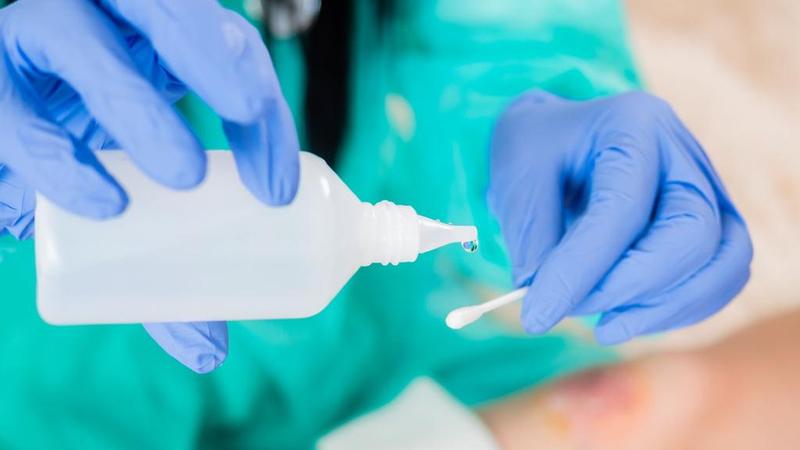
A common antiseptic used to clean hospital patients' skin can linger on surfaces for hours, creating breeding grounds for bacteria to become tolerant, or even gain resistance, to chemicals that usually kill them.Once they develop "tolerance," bacteria can survive certain concentrations of chemicals more easily than their peers do, but they can still be killed by the doses of antiseptics typically used for cleaning. Antiseptics include chemicals, such as alcohol, iodine or hydrogen peroxide, that...

Artemis II Launch: What to know about NASA’s First Crewed Moon Flyby Since the 1970s - Futura-Sciences

Some say this launch is an important milestone on the path to pushing humanity to deep space, bringing new space riches to Earth’s peoples, and opening the door to interplanetary colonisation.
Others scoff at the launch’s unremarkable nature and the commercial entanglements that could hinder Artemis’s progress.Here’s what you need to know to catch up ahead of the upcoming launch.
 NASA will provide free, commented coverage of the launch on the day. We will update this post with a live feed for t...

Risk of death from pregnancy in the US is 44 times higher than that from abortion, new analysis reveals

A figure commonly cited to compare the risks of pregnancy and abortion in the U.S. could be grossly underestimating the risk of death from pregnancy, according to a new analysis.The research, published Jan. 21 in the journal JAMA Network Open, suggests that the risk of pregnancy-related death might be at least 44 times higher than the risk of abortion-related death. Previously, pregnancy was estimated to carry a roughly 14 times higher risk of death, making the new estimate over three times high...

Gifted Dogs Can Learn New Words Just By Eavesdropping On Their Owners, And This Can Teach Us About The Evolution Of Human Language - Futura-Sciences

You may want to watch what you say around the dinner table, as scientists have discovered that some “gifted” dogs are able to pick up information by listening in on conversations that aren’t meant for them.
In a Science paper published January 8, researchers show that “Gifted Word Learner” dogs can learn new toy names simply by overhearing their owners—a method inspired by word‑learning tests in 18‑month‑old children.The findings may not only help your pup reach her full training potential, they...

New synthetic drugs more powerful than fentanyl pose a new epidemic threat

"Mat Southwell had no intention of stopping heroin.
An internationally recognised drug users’ rights
advocate and director of CoAct, a consultancy for
organisations working with people who use drugs,
Southwell has used drugs for a long time. But that
changed in recent years, as powerful synthetic drugs
unexpectedly tainting the drug supply have been
striking down his peers in the UK.
“It has scared me to the point I’m stopping taking
heroin,” he says, sharing that, while still “enjoying
other drugs,” he has just completed a methadone
detox and is now in the final phase of withdrawal."

Color blindness linked to lower bladder cancer survival, early study hints

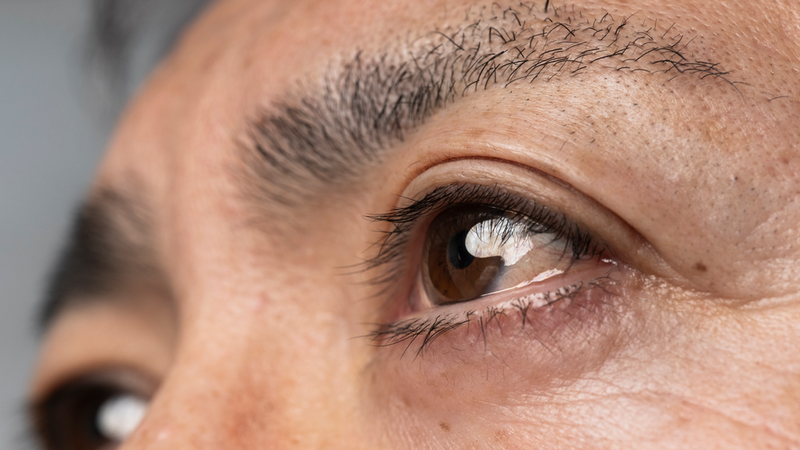
Could being colorblind make you less likely to survive bladder cancer? That's the surprising hypothesis that researchers have proposed based on a small study.The research, published Jan. 15 in the journal Nature Health, examined data from 135 patients with both bladder cancer and color blindness, and compared those patients to 135 patients with only bladder cancer. The data were taken from TriNetX, an international registry of electronic health records of more than 275 million patients.Among the...

Tiny improvements in sleep, nutrition and exercise could significantly extend lifespan, study suggests

Small changes in exercise, sleep and dietary habits could do wonders for people's health and possibly extend their overall lifespan, a large U.K. study suggests.The research, published Jan. 13 in the journal eClinicalMedicine, sought to find the smallest possible lifestyle improvements that could measurably lengthen people's lifespans. The researchers searched within data collected from almost 60,000 people in the UK Biobank cohort, a repository of medical and lifestyle data from hundreds of tho...

Weight loss may 'rejuvenate' fat tissue in the body

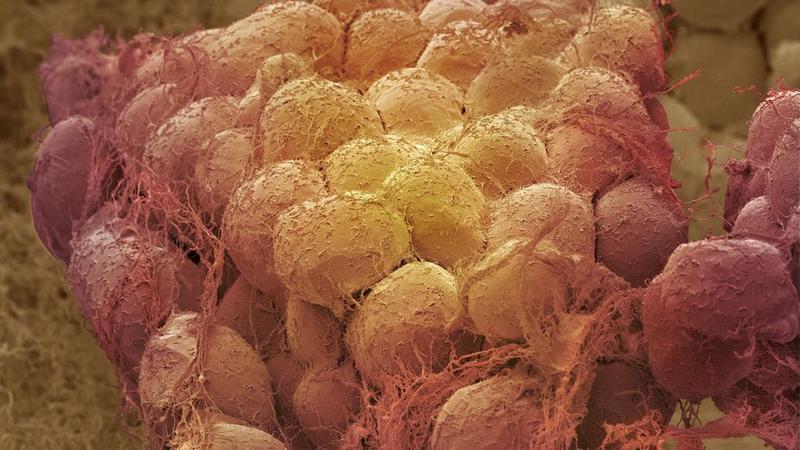
Despite decades of research focusing on obesity, what happens in the body when we lose weight, and why losing weight can improve health, is still poorly understood.Now a new study, published in Nature on Wednesday (July 9), provides clues as to what may actually be happening. It suggests that the weight loss does more than shave off pounds — it changes fat on a cellular level, rewiring how the tissue is metabolized and maybe even "rejuvenating" it.The research also offers insights into why losin...

Promising migraine treatment may work with completely 'new mechanism'

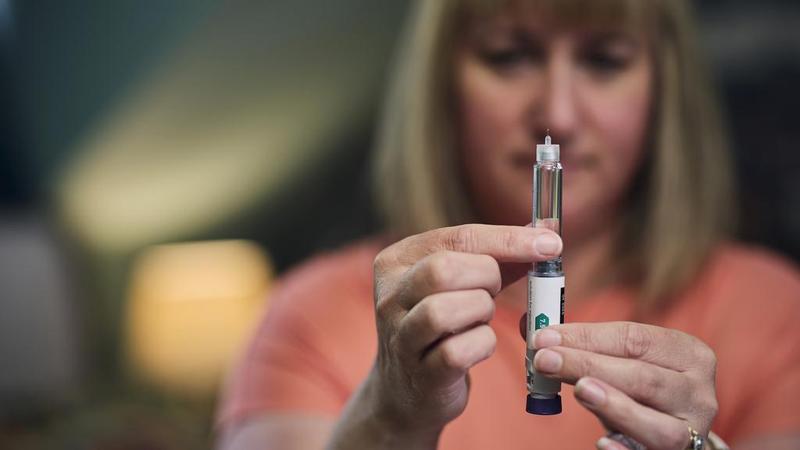
Ozempic-like drugs used to treat type 2 diabetes and obesity may also treat migraine, even when the medications don't trigger weight loss, early research suggests.A preliminary report, published in the journal Headache and presented June 21 at the European Academy of Neurology (EAN) conference, suggests that liraglutide — a drug used to treat obesity and diabetes — slashed the number of days patients experienced severe migraines by almost half. Liraglutide belongs to a class of drugs called GLP-...

The brain might have a hidden 'off switch' for binge drinking

The brain might have a hidden "off switch" for binge drinking, and it seems to be governed by fewer than 500 brain cells, new research suggests.The study, published June 10 in the journal Nature Neuroscience, found that in mice, activating or blocking this unique cluster of brain cells, or neurons, can suppress or unleash binge drinking.If the same "off switch" can be found in humans, this tiny neural circuit could become a new target for the treatment of alcohol use disorder."What we have learn...

Copywriting - "Supporting Science, Acting for a Sustainable Ocean" publications to accompany the Ocean Conference 2025 - AXA Research Fund via Ody.C

Copywriting, editing, and factchecking texts presenting work supported by AXA Research Fund fellows for the  "Supporting Science, Acting for a Sustainable Ocean" report, timed to release alongside the United Nations Ocean Conference (UNOC) 2025 taking place in Nice, France from 9 to 13 June 2025, and the One Ocean Science Days from 3 to 6 June 2025.

Can weight loss drugs help you drink less alcohol?

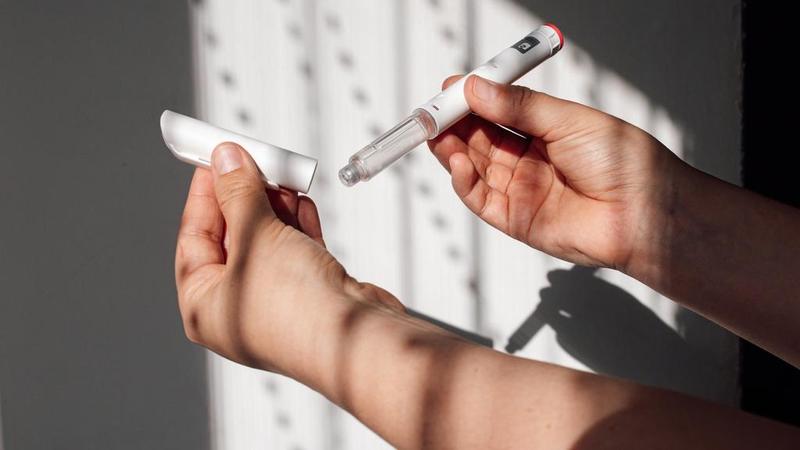
Anecdotal reports suggest that people who are taking weight loss drugs like Ozempic and Wegovy say they suddenly find it easier to turn down an extra drink on a night out. But does research align with these stories? Do these weight loss drugs cause people to reduce their alcohol consumption?Although more research is needed, evidence is mounting that GLP-1 receptor agonists — a class of drugs that includes semaglutide (brand names Ozempic and Wegovy) and liraglutide (Saxenda) — do seem to reduce...
Load More